
If you want to use nutrition to help prevent, manage or treat canine cancer, then you won’t want to miss this article on plant-based anti-cancer foods for dogs.
It’s clear that with all the hype about high-meat, high-fat diets both to prevent and treat cancer in dogs, something is not working. If it were, cancer rates would be decreasing, rather than increasing. Sadly, however, that is not the case. According to the Animal Cancer Foundation, about 6 million dogs are newly-diagnosed with cancer each year. Perhaps this is due to the bioaccumulation of toxins that occurs when dogs consume meat and other animal products, which our 17 leading global experts discussed at length in the ground-breaking Plant-Powered Dog Food Summit.
The good news is that there are nutritional therapies that can play a key role in both preventing and helping reverse cancer.
Researchers contend that only 5% to 10% of all cancer cases are genetic in origin, and that the vast majority – 90% to 95% – result from environmental factors, such as exposure to environmental toxins, as well as nutritional influences such as obesity and diet. This is because environmental and nutritional factors communicate with our epigenome, which in turn affects our gene expression and whether cells will be healthy or diseased (Broad Institute n.d.). Given this, it should come as no surprise that we want to start feeding our dogs more anti-cancer foods.
So, which foods are found to have the highest anti-cancer effects? You guessed it – plant foods! Let’s take a look at a few of these plant-based anti-cancer powerhouses.

Anti-Cancer Foods for Dogs
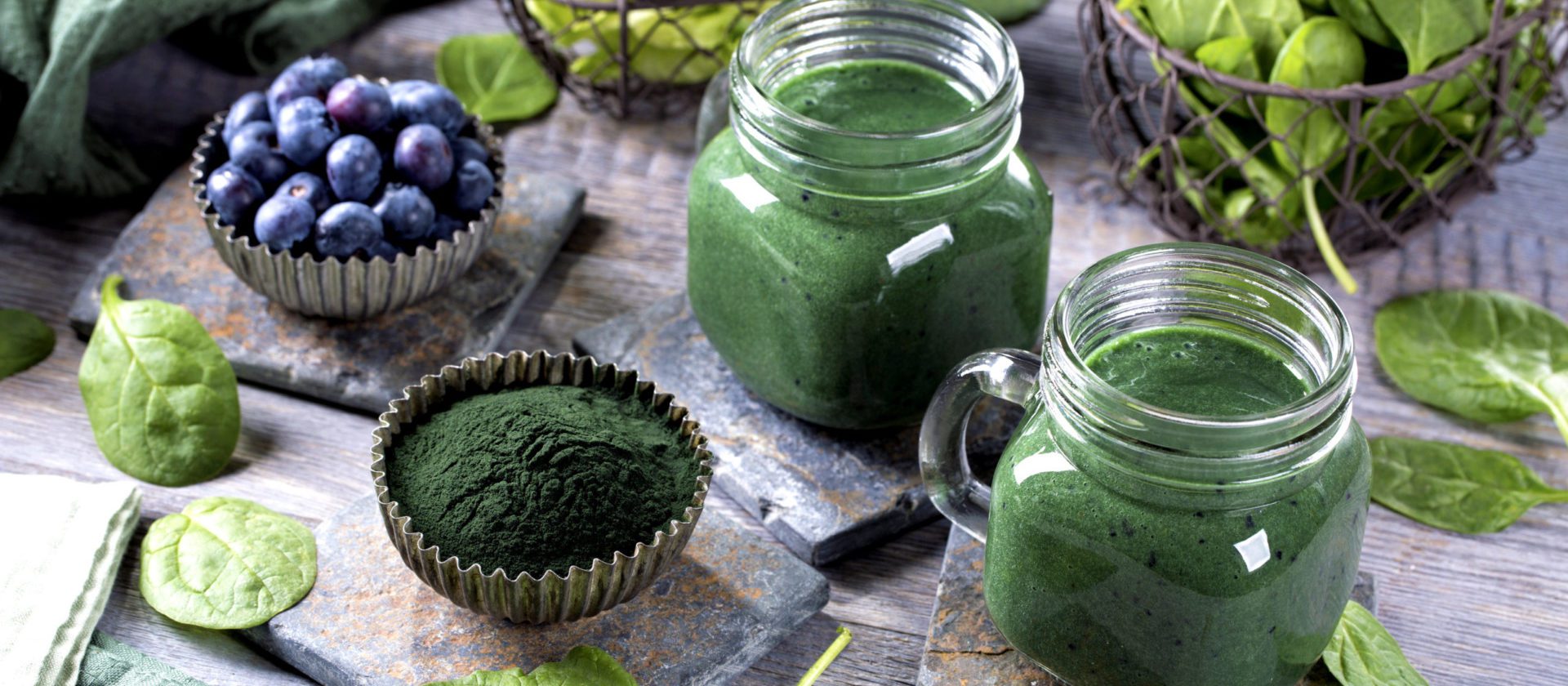
- Berries: Berries contain anthocyanins, which have been shown to reduce cancer cell proliferation and inhibit tumor formation (Lila 2004). Blueberries, raspberries, blackberries and cranberries are excellent choices for dogs.
- Cruciferous vegetables: According to the American Institute for Cancer Research, cruciferous vegetables such as broccoli, cauliflower, Brussels sprouts, cabbage and bok choy contain compounds shown to stop the growth of tumors in several types of cancers. Isothiocyanates found in cruciferous vegetables inhibit cancer cell proliferation and induce apoptosis (Hardy & Tollefsbol 2011). Cruciferous vegetables also contain compounds, including sulforaphane, crambene and indole 3-carbinol (I3C), which may activate enzymes in the body that detoxify carcinogens before they have a chance to damage cells (Magee 2007).
- Ginger: An ethanol extract of ginger has been shown to possess numerous anti-cancer benefits, including producing changes in gene expression that trigger apoptosis of breast cancer cells (Ayman et al. 2012).
- Green leafy and yellow-orange vegetables: These vegetables contain many beneficial phytochemicals, including beta-carotene, lycopene, lutein, zeaxanthin and quercetin that exhibit important antioxidant and anti-cancer properties.
- Medicinal Mushrooms: Medicinal mushrooms are credited with a variety of properties that may help in combating cancer, including antioxidant, antitumor, radical scavenging and immunomodulating effects (Brown & Reetz 2012) (Smith, Rowan & Sullivan 2002) (Wasser 2010). I recommend checking out the medicinal mushroom product I’m-Yunity, a polysaccharopeptide (PSP) compound that has been clinically shown to lengthen the lives of dogs suffering from hemangiosarcoma, an aggressive, invasive cancer originating in the blood vessels (Brown & Reetz 2012)
- Milk Thistle: This beautiful, purple flowering herb plant contains the compound silymarin. Silymarin is actually a collective name for three bioactive agents – silibinin, silidianin, silicristin – and is demonstrated to protect against a variety of cancers.
- Pomegranates: Pomegranates contain the most potent antioxidant activity of all commonly consumed fruits, thanks to a polyphenol complex known as punicalagins. Studies show that pomegranates contain powerful anti-tumor and ant-cancer properties (Tyagi et al. 2012).
- Spirulina: Phycocyanin (C-PC) in spirulina inhibits the pro-inflammatory COX-2 pathway. Disrupting this pathway is critical to preventing cancer, since COX-2 activity is known to increase in malignant tissue (Reddy et al. 2000).
- Turmeric: Turmeric contains curcumin, a phytochemical found to contain powerful anti-cancer properties, including anti-inflammatory, antioxidant, antiangiogenic and antitumor properties, as well as inhibiting cancer cell division and growth and inducing cancer cell apoptosis (cancer cell death) (Lawenda 2013) (Link et al. 2013) (Wilken et al. 2011). Since curcumin is poorly absorbed across the GI tract and rapidly cleared from the blood, giving a high-quality curcumin supplement in conjunction with a fatty food such as olive oil or coconut oil can increase its absorption. An exact dose has not been determined in dogs, however studies have used curcumin in doses ranging from 500 to 3,600 mg per day. Consult with your veterinarian if your dog is on chemotherapy, as curcumin can decrease the effectiveness of certain chemotherapy drugs.
A note on herbal supplements: While several herbs contain important anti-cancer properties, it is critical to use them safely and effectively. You should also watch for interactions that may occur with your dog’s current cancer therapy. I highly recommend partnering with a holistic veterinarian who is knowledgeable about herbal therapies to guide you in this area.
Feed Your Dog to Starve Cancer Cells
Angiogenesis is the process of creating new blood vessels from pre-existing vessels. It is a normal and necessary response to certain situations, such as facilitating wound healing. However, when these blood vessels have finished their job, the body releases antiangiogenic substances to return them to their previous level. When this process fails and angiogenesis gets out of control, resulting in the growth of too many blood vessels, a variety of health problems can occur, including obesity, arthritis and cancer. In fact, angiogenesis is related to every type of cancer (Li 2010). By blocking unwanted angiogenesis, we may effectively starve tumor cells of their nutrition.
The following dog-approved foods are antiangiogenic:
- Apples
- Artichokes
- Berries
- Bok choy
- Cherries
- Curcumin
- Ginseng
- Kale
- Lavender
- Maitake mushrooms
- Olive oil
- Parsley
- Pumpkin
- Sea cucumber
(Li 2010)
Wrap-Up
Nutrition plays an important role in preventing, managing and treating cancer. By feeding your dog a variety of safe, plant-based anti-cancer foods, you can give your best friend the greatest opportunity to live a long, healthy, cancer-free life.
References
Ayman, E.I., Abuzinadah, O.A., Baeshen, N.A. & Rahmy, T.R. (2012). Differential control of growth, apoptotic activity, and gene expression in human breast cancer cells by extracts derived from medicinal herbs Zingiber officinale. Journal of Biomedicine and Biotechnology.
Brown, D.C. & Reetz, J. (2012). Single agent polysaccharopeptide delays metastases and improves survival in naturally occurring hemangiosarcoma. Evidence-Based Complementary and Alternative Medicine.
Lila, MA (2004). Anthocyanins and human health: An in vitro investigative approach. Journal of Biomedical Biotechnology, 2004, no. 5, pp. 306–313.
Link, A., Balaguer, F., Shen, Y., Lozano, J.J., Leung, H.C., Boland, C.R. & Goel, A. (2013). Curcumin modulates DNA methylation in colorectal cancer cells. PLoS One, vol. 8, no. 2, pp. e57709.
Reddy, C.M., Bhat, V.B., Kiranmai, G., Reddy, M.N., Reddanna, P. & Madyastha, K.M. (2000). Selective inhibition of cyclooxygenase-2 by C-phycocyanin, a bilipro- tein from Spirulina platensis. Biochemical and Biophysical Research Communications, vol. 277, pp. 599–603.[/ref]
Smith, J.E., Rowan, N.J. & Sullivan, R. (2002). Medicinal mushrooms: A rapidly developing area of biotechnology for cancer therapy and other bioactivities. Biotechnology Letters, vol. 24, no. 22, pp. 1839-1845.
Tyagi, A., Agarwal, C., Dwyer-Nield, L.D., Singh, R.P., Malkinson, A.M. & Agar- wal, R. (2011). Silibinin modulates TNF-α and IFN-γ mediated signaling to regulate COX2 and iNOS expression in tumorigenic mouse lung epithelial LM2 cells. Molecular Carcinogenesis.
Wasser, S.P. (2011). Current findings, future trends, and unsolved problems in studies of medicinal mushrooms. Applied Microbiology and Biotechnology, vol. 89, no. 5, pp. 1323- 1332.
Wilken, R., Veena, M.S., Marilene, B., Wang, M.B. & Srivatsan, E.S. (2011). Curcumin: A review of anti-cancer properties and therapeutic activity in head and neck squamous cell carcinoma. Molecular Cancer, vol. 10, no. 12.